How to Revive a Dead YouTube Channel and Grow to 10,000 Subscribers
A dormant YouTube channel isn’t dead — it’s waiting. Learn the proven system to revive your channel and grow to 10,000 subscribers through consistent Kingdom content.
By Kevin White — founder of Spirit Media Publishing. Updated May 12, 2026.
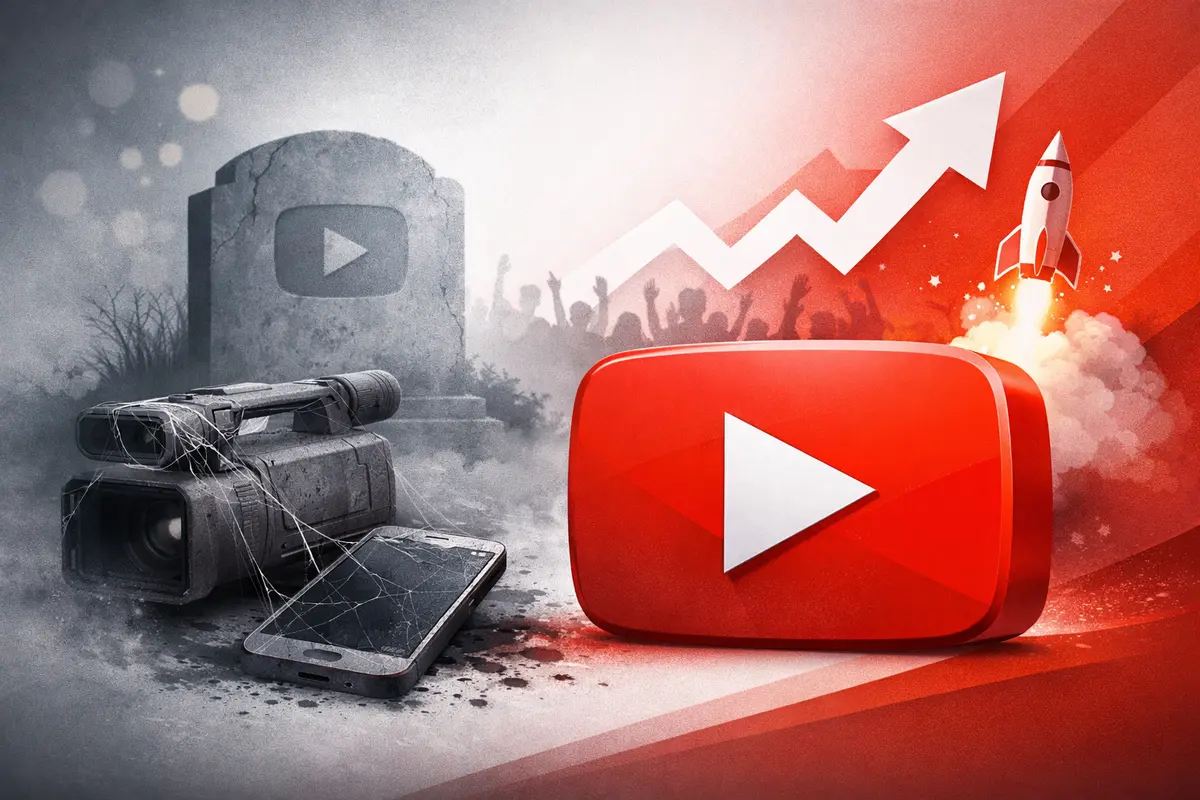
One of the most common questions we hear from authors, ministries, and Kingdom communicators is simple: "Is my YouTube channel too old to grow?" Sometimes a channel was started years ago and then forgotten. Maybe a handful of videos went up and then life got busy. Maybe there are only a few subscribers and the platform feels stagnant. At first glance it can feel dead. But Pew Research's data on adult YouTube use shows the platform now reaches more U.S. adults than any other social platform — and YouTube channels don't expire. An inactive channel can absolutely be revived. In many cases it is better to build on an existing channel than to start from scratch, because YouTube evaluates each video individually rather than judging the age of the account.
Key takeaway: YouTube ranks videos, not channels. An inactive account with a few old uploads can grow to 10,000 subscribers as quickly as a brand-new one — sometimes faster — if you relaunch with clear branding, an anchor video, story-based content, smart playlists, and consistent publishing. Age is not the deciding factor; click-through, watch time, and resonance are.
Jump to: Why an old YouTube channel is not a dead YouTube channel · Should you start over or revive the existing channel · A three-step relaunch playbook · Three video formats that grow channels to 10,000 subscribers · How to repurpose podcasts and playlists for compounding growth · The real key to reviving any YouTube channel
Why an old YouTube channel is not a dead YouTube channel
One of the most persistent misconceptions about YouTube is that the algorithm punishes channels that have been inactive. That simply isn't how the platform works. YouTube evaluates each video individually, not the age of the channel. When you upload, YouTube typically shows the video to two groups first — your existing subscribers (if you have any) and a small test audience with similar viewing behavior — and if viewers click and watch, the platform expands distribution from there.
In other words, a brand-new channel and a ten-year-old channel can perform almost identically if the video resonates with viewers. The algorithm primarily evaluates three signals: click-through rate on the thumbnail and title, average watch time and percentage watched, and viewer satisfaction signals like likes, comments, and shares. The age of the channel itself has very little impact on any of these. What matters most is the quality and relevance of the content you publish today.
Should you start over or revive the existing channel
For most creators, the answer is surprisingly simple: keep the existing channel. Even a small or inactive channel often carries hidden advantages. YouTube has recognized the account for some time, and there may already be signals attached to it — existing subscribers, a longer platform history, links or references online, small but meaningful trust signals. Starting over throws all of that away.
Starting fresh is only worth considering in three scenarios: the old channel is associated with a different topic or audience that would confuse new viewers; the channel has a history of policy strikes or community guideline violations; or the brand identity has changed so completely that the old name and URL are actively misleading. For authors, speakers, ministries, and most organizations, none of those apply — and reviving the existing channel is almost always the wiser path.
If you want help auditing whether your current channel is worth reviving or whether a fresh start makes more sense, schedule a free consultation call. We'll walk through your situation and recommend the right path — no pressure, no pitch.
A three-step relaunch playbook
If you're restarting a channel that hasn't posted in a while, treat the relaunch like a fresh beginning. Three steps make most of the difference.
1. Refresh the channel branding
Before publishing new content, update the visual presentation of the channel — banner, profile photo, channel description, featured video, channel handle. Your channel should clearly communicate who the content is for and why it matters. When someone visits for the first time, they should immediately understand the message and the mission behind it. Generic banners and outdated profile photos quietly signal "this channel is abandoned" even when the upcoming videos are excellent.
2. Publish a strong anchor video
Your first new upload should serve as a foundational video that explains the heart behind the channel. For authors and ministries, this often includes the story behind a book, a personal testimony, a life-changing experience, or the calling behind the message. This video becomes the centerpiece of the channel for new visitors — it tells people why they should stay and why the message matters. It should be one of the most considered pieces of content you ever produce, because everything else compounds from it.
3. Commit to consistent publishing
Consistency matters far more than volume. One or two videos per week, sustained for three to six months, builds meaningful momentum. The goal is not simply to upload — it is to share stories, insights, and lessons that genuinely help people. Over time, consistency builds trust with viewers and signals to YouTube that the channel is active and worth recommending.
Three video formats that grow channels to 10,000 subscribers
For authors, speakers, and storytellers, certain video formats tend to perform especially well on YouTube. These formats work because they combine authenticity with clarity, letting viewers connect with the message quickly — and Barna Group's research on how Christians consume media consistently shows that authentic story and personal narrative outperform polished promotional content across every age cohort.
Story-based videos
People are naturally drawn to real stories. Videos that share transformation, struggle, redemption, and hope often resonate deeply. Titles like My Story: From Addiction to Freedom or What the Hardest Season of My Life Taught Me generate strong watch time because viewers stay engaged from beginning to end. For Kingdom communicators, story is often the most powerful way to communicate truth — and YouTube rewards the watch time these formats produce. This is the same engine that makes a good back-cover hook work; we unpack it in our piece on back-cover copy that sells books.
Short insight videos
YouTube audiences also respond well to short, focused insights — typically 3–8 minutes exploring one clear idea or lesson. These are easier to produce and help maintain a steady rhythm of publishing. Over time, they create a growing library of helpful, meaningful content that builds trust and discoverability — and viewers who click one often watch three or four.
Podcast and interview highlights
Podcast appearances can become extremely valuable YouTube content. Rather than uploading a full hour-long interview, extract short highlight segments that capture powerful moments — a personal story, a moment of vulnerability, a memorable insight. Because they deliver immediate value, these shorter clips often perform far better than full-length interviews and bring in viewers who would never have started an hour-long episode.
How to repurpose podcasts and playlists for compounding growth
One of the most underused features on YouTube is the playlist system. A well-organized playlist structure helps new visitors quickly understand your content and explore multiple videos — and playlists increase total watch time, which helps YouTube recommend your content to more viewers. For authors and speakers, useful playlists might include a Story Series, a Teaching Series organized by topic, Podcast Highlights, Behind-the-Book content, and Frequently Asked Questions. Each playlist becomes its own discovery surface inside YouTube search.
The compounding tactic is repurposing podcast appearances. Look for moments that carry emotional or spiritual weight — turning points, honest struggles, transformational moments, practical wisdom — and clip them as standalone videos. Title them at the human level rather than the format level. Instead of Podcast Interview with John Smith, use something like The Moment I Decided My Past Would Not Define Me or How Hope Found Me in My Darkest Season. Titles like these connect with viewers emotionally and invite them into the story before they ever press play.
The reason this works is that AI-driven recommendation systems (YouTube, TikTok, Instagram Reels) all reward the same signals: click-through and watch time. A 4-minute clip with a story-shaped title outperforms a 60-minute episode with a generic title nearly every time — and it gives the algorithm dozens of new test surfaces from a single recording session. We unpack the broader platform-and-distribution strategy in our piece on AI-powered ministry infrastructure — YouTube is one node in a larger system, not the system itself.
The real key to reviving any YouTube channel
Whether a channel is brand new or ten years old, the growth formula is the same: compelling titles and thumbnails, authentic stories and insights, consistent publishing, and content that genuinely connects with people. Channel age is not the deciding factor — what matters is whether viewers click, watch, and feel the message was meaningful. For authors, ministries, and Kingdom communicators, YouTube can become far more than a social platform. It can be a global stage for sharing hope, truth, and transformation. In many cases, the best place to begin is simply with the channel you already have — and the right relaunch is closer than you think.