
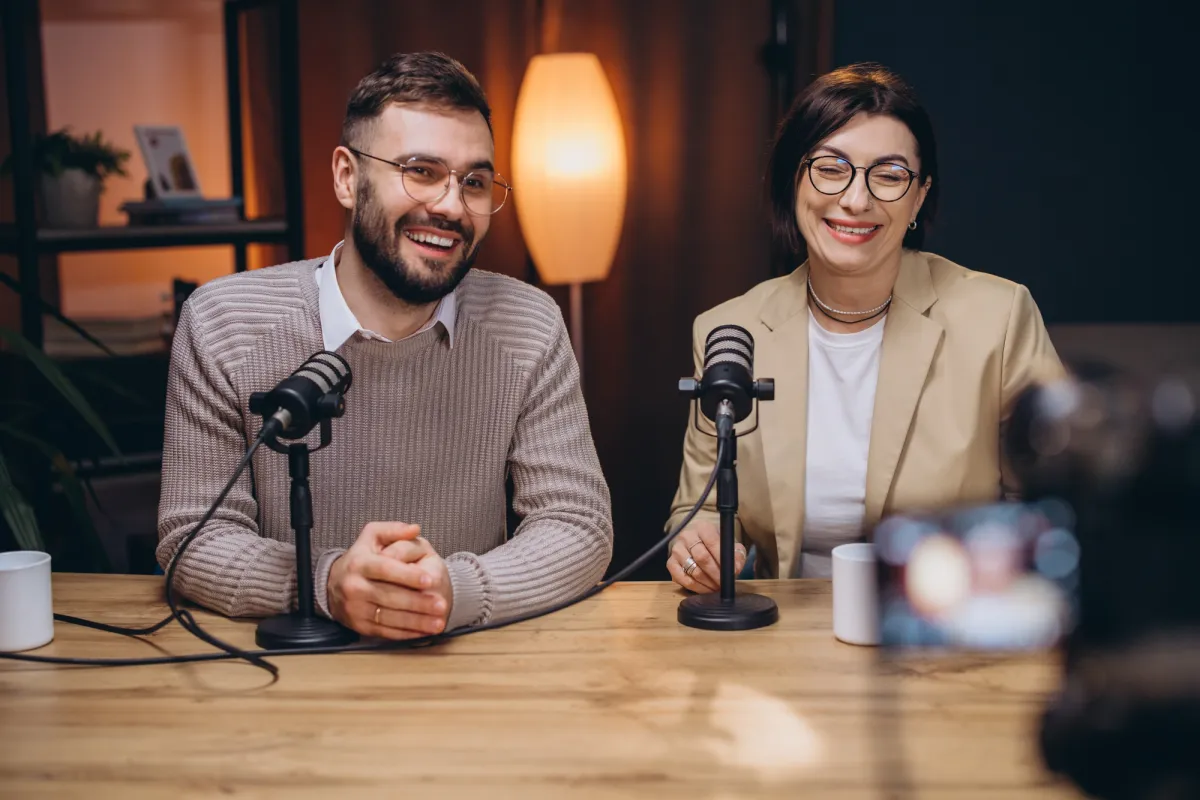
Book Marketing Services: What Authors Should Pay For (and What to Skip)
The book marketing services that actually sell books, what they cost, the order to buy them in, and the promises that should make you walk away.
By Kevin White — Founder & CEO, Spirit Media Publishing, and author of The Ultimate Book Marketing Guide.
Book marketing services are paid help that puts your book in front of the readers most likely to buy it. The services worth paying for are the ones that build lasting discovery: more Amazon reviews, advance reader copies in the right hands, a website readers can find, short-form video, podcast interviews, and, last of all, paid ads that amplify what already works. The services to skip are the ones that sell activity instead of readers: press-release blasts, bought followers, untargeted mass advertising, and anyone who guarantees sales. Expect to pay anything from a few hundred dollars for a single campaign to a monthly retainer for ongoing work. Before you hire anyone, ask what readers the service will reach, what you will measure, and what happens if it does not work.
Key takeaway: buy book marketing services in layers, starting with reviews and discoverability, and only pay for ads once something is already selling.
Jump to: What the services include · What they cost · The order to buy them in · Red flags · Reels and podcasts · Doing it yourself
What does paid book marketing include?
Most book marketing services fall into eight groups. Review building gets more honest reader reviews on Amazon and Goodreads, the social proof every other channel depends on. Advance reader copies put early copies in the hands of readers, reviewers and bookstores before launch. Websites and landing pages give search engines and AI assistants something to find when someone looks up your name or your topic. Short-form video turns the strongest moments of your book into reels for TikTok, Instagram and YouTube Shorts. Podcast tours book you as a guest on shows your readers already trust. Publicity pitches you to media with press releases and media kits. Email and social media management keep you in touch with the readers you already have. Paid digital ads on Amazon, Google, YouTube, Facebook, Instagram or TikTok buy attention directly. A good service tells you which of these it does, for how long, and how success will be measured, before you pay anything at all.
What book marketing costs in 2026
Prices vary more in marketing than anywhere else in publishing. Reedsy's cost survey, built on more than 230,000 freelancer quotes, puts typical book marketing at $60 to $1,500 for a self-published title, which covers a launch campaign rather than a year of work. Jane Friedman notes that $1,500 could hire a skilled publicist for about one month, and that you could easily spend $5,000 on a website built to sell. Ongoing services such as social media management, video production or ad management are usually sold as 6- or 12-month partnerships, because discovery compounds over time. Our own book marketing services are built that way: a six-month Amazon review partnership with a goal of 25 reviews per month, advance reader copies to your contacts and USA bookstores, twelve-month ad and social media partnerships, and video production with up to 20 reels per month. Ask any provider for the total cost over the full term, not just the first month, and for the two or three numbers you will review together each month. A fair price for a service that cannot be measured is still too much; a higher price for one that grows reviews, visits and sales every month is usually the better buy.
The order that actually sells books
Marketing works when each layer builds on the one before it. We use this order with our authors.
1. Increase Amazon reviews, because the world's largest bookseller ranks and converts on them.
2. Share advance reader copies with bookstores and readers, to put the book in hands early.
3. Build a landing page or website, because Google is still where most readers start.
4. Start or optimize a YouTube channel, the second-largest search engine in the world.
5. Go on a podcast tour to reach established audiences on shows that already exist.
6. Launch your own podcast or video series, so readers have a reason to come back.
7. Add paid digital ads last, to amplify what is already working.
Skipping straight to step seven is the most expensive mistake we see. Ads sent to a book with three reviews and no website rarely pay back. Ads sent to a book with fifty reviews, a clear page and a few reels that already travel often do.
Want the full playbook? Every Spirit Media author receives The Ultimate Book Marketing Guide free. Request a copy on our marketing page.
Red flags in paid book promotion
The book marketing industry has more than its share of empty promises. The clearest warning sign is a guarantee of sales, rankings or a bestseller list; nobody controls those outcomes. Jane Friedman's red-flag guide warns about hype-filled language such as promises to sell your first 10,000 copies, and about bargain pricing that cannot pay for real work. Be just as careful with services that measure impressions instead of readers, that blast a press release to thousands of outlets with no fit to your topic, or that sell followers and reviews. Bought reviews break Amazon's rules and can cost you the listing. A trustworthy provider lists past clients you can check, shows real campaigns, defines in writing what you are buying (hours, tasks or results), and agrees on the numbers you will both watch: reviews, website visits, email sign-ups and sales. If a provider cannot say how you will know it worked, the answer is that you will not.
Reels and podcasts: the services growing fastest
Two services have changed book marketing more than any others in the last few years: short-form video and podcast interviews. Reels on TikTok, Instagram and YouTube Shorts let a reader meet your message in 30 seconds, and the best ones keep finding new readers for months after they are posted. They do not require you to dance or perform. Many of the strongest book reels are a single honest story from the author, a striking quote over b-roll, or an audiogram of a page read aloud. Podcasts work the other way round: a 40-minute conversation with a host whose listeners already trust them is the closest thing to a personal recommendation that money can buy. Both work best as a steady rhythm, not a one-off. Our reels for authors service scripts, films and edits up to 20 reels per month, and our podcast tours include a pitch sheet and full scheduling. If you only buy one ongoing service this year, make it one of these two, and point every video and interview to one clear next step.
When to do it yourself
Not every author needs to hire help on day one. If you have an engaged church, ministry or email list, the most valuable marketing is free: ask your readers for honest reviews, give advance copies to the people who will talk about the book, and show up where your audience already gathers. The work you should hand off is the work that needs skills or equipment you do not have, such as video production, ad management or a website that ranks. Start with our guide to building an author platform, then read how to market a Christian nonfiction book for a step-by-step launch plan. When you are ready for help, choose one layer, measure it for a quarter, and only then add the next. Marketing that compounds over twelve months will always beat a single expensive launch week.
Related Posts
Lights, Camera, Readers: Choosing a Book Trailer Video Service
October 21, 2026

Scroll-Stopping Books: How to Promote a Book on Social Media
October 21, 2026
Your Book's Most Overlooked Sales Tool: Why the Back Cover Matters More Than Most Authors Realize
March 18, 2026